Sign in. It’s quick, free and it’s up to you.
An account is an optional way to support the work we do. Find out more.
Sign in. It’s quick, free and it’s up to you.
An account is an optional way to support the work we do. Find out more.
LAST UPDATE | 30 Nov 2021
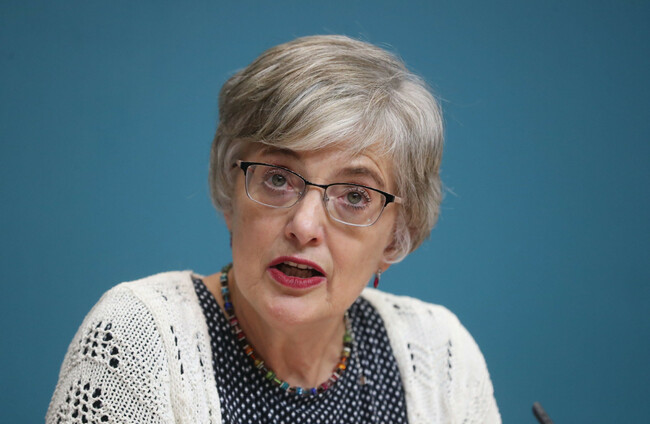
THE GOVERNMENT HAS today approved recommendations on how to establish and appoint special envoys following the Katherine Zappone saga.
In July of this year, it emerged that former Children’s Minister Katherine Zappone was to be appointed to a new role of Ireland’s Special Envoy to the UN for freedom of opinion and expression.
Foreign Affairs Minister Simon Coveney brought a memo to a Cabinet meeting following discussions between himself, Zappone, and his department officials.
The role had not been publicly advertised, leading to concerns about transparency around the appointment process.
The appointment, which has since been cancelled, was labelled as cronyism by opposition parties. Coveney himself survived a vote of no confidence in his role as minister.
A government spokesperson has said that at this point in time there was no proposal to fill the role for which Zappone was originally nominated.
A proposal to fill the role would have to come from the Department of Foreign Affairs and be made through the new process but no such proposal has been made.
The review into the saga has today made a number of specific recommendations on how future Special Envoy appointments will take place.
These recommendations include;
The full report can be found here.
Irish special envoys have been appointed going back a number of decades, although the overall number of special envoys appointed is relatively small,” the report noted.
“Outside the UN Security Council campaigns of 2000 and 2020, the group has identified eight special envoy roles in this 21-year time frame.”
It said that around €350,000 had been spent on special envoys during the last 21 years, a sum the reviewers described as “modest”.
“The average outlay per special envoy mission (US Congress, UN Security Council Campaign, Francophone Africa and the Sahel, and Food Systems) at circa €87,500 over four years also appears modest,” the report added.
With reporting by Press Association
·

To embed this post, copy the code below on your site













have your say